At the anvil: the blacksmiths and farriers of the plain
Forges, anvils and hundreds of horseshoes. A collection in Larissa recalls the crafts that kept the plain moving before the tractors came.
Before the Thessalian plain filled with tractors, the work was done with animals. And the animals needed horseshoes, the ploughs needed blades, the carts needed iron rims. That is why every village and every neighbourhood had a blacksmith.
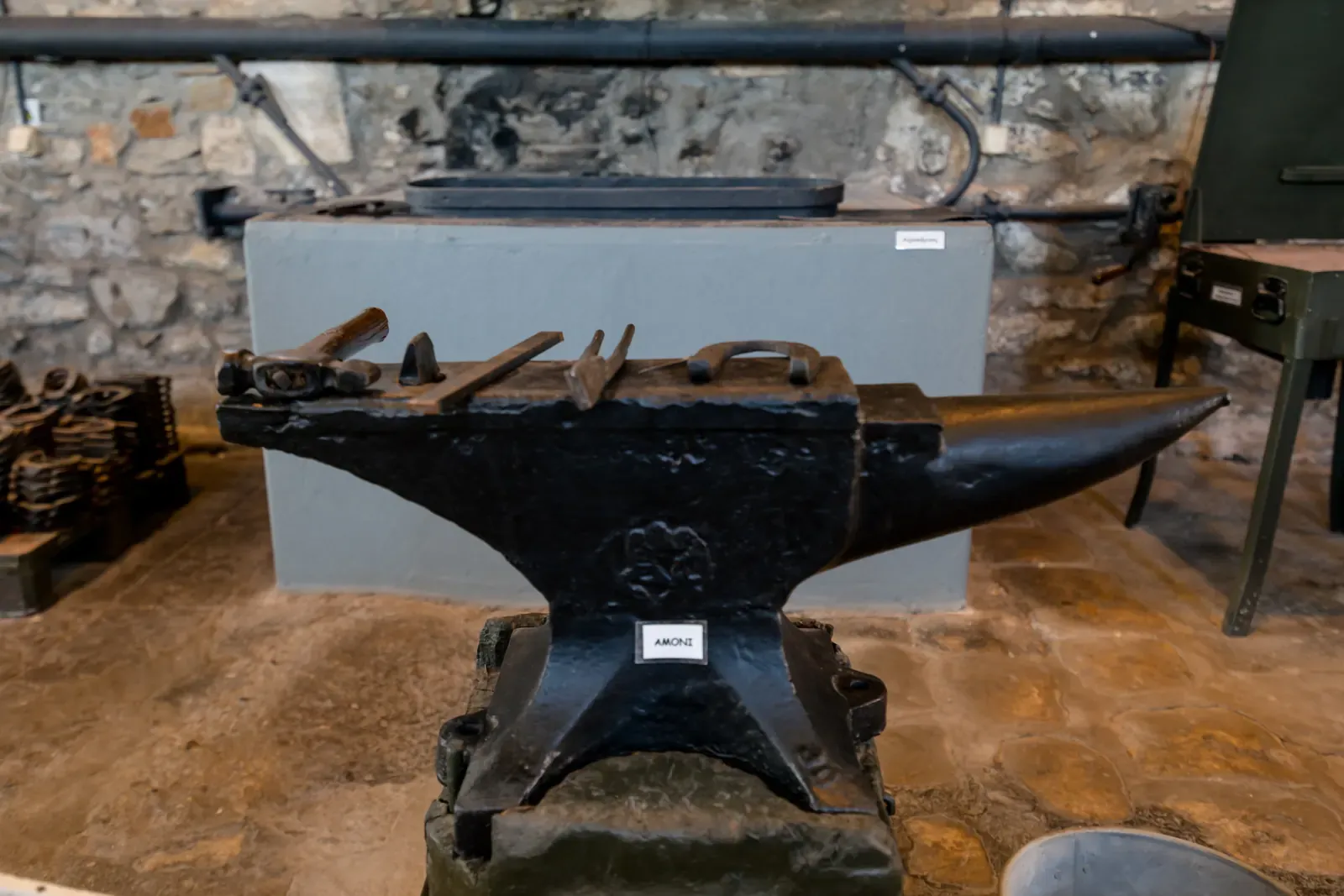
Fire, anvil, hammer
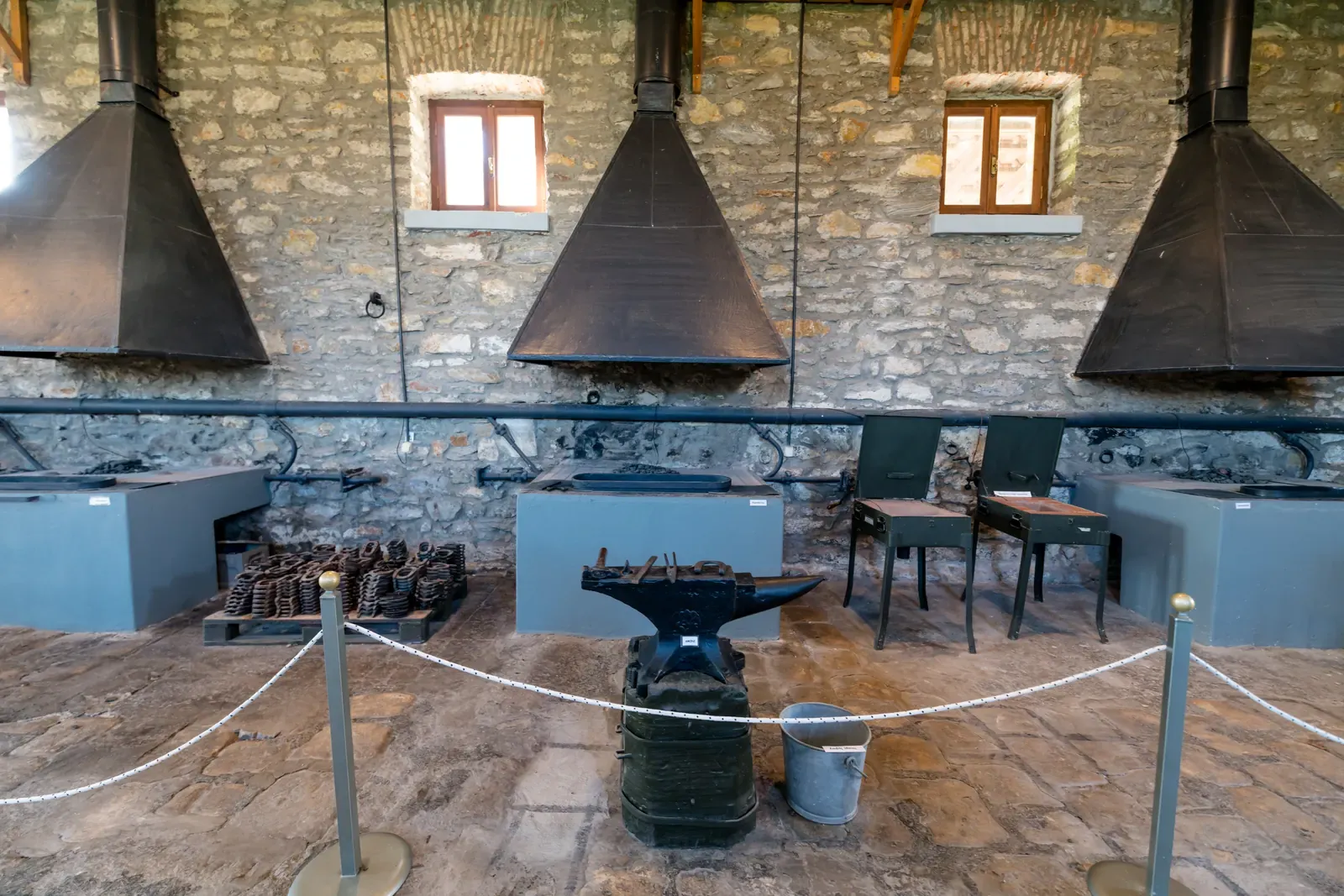
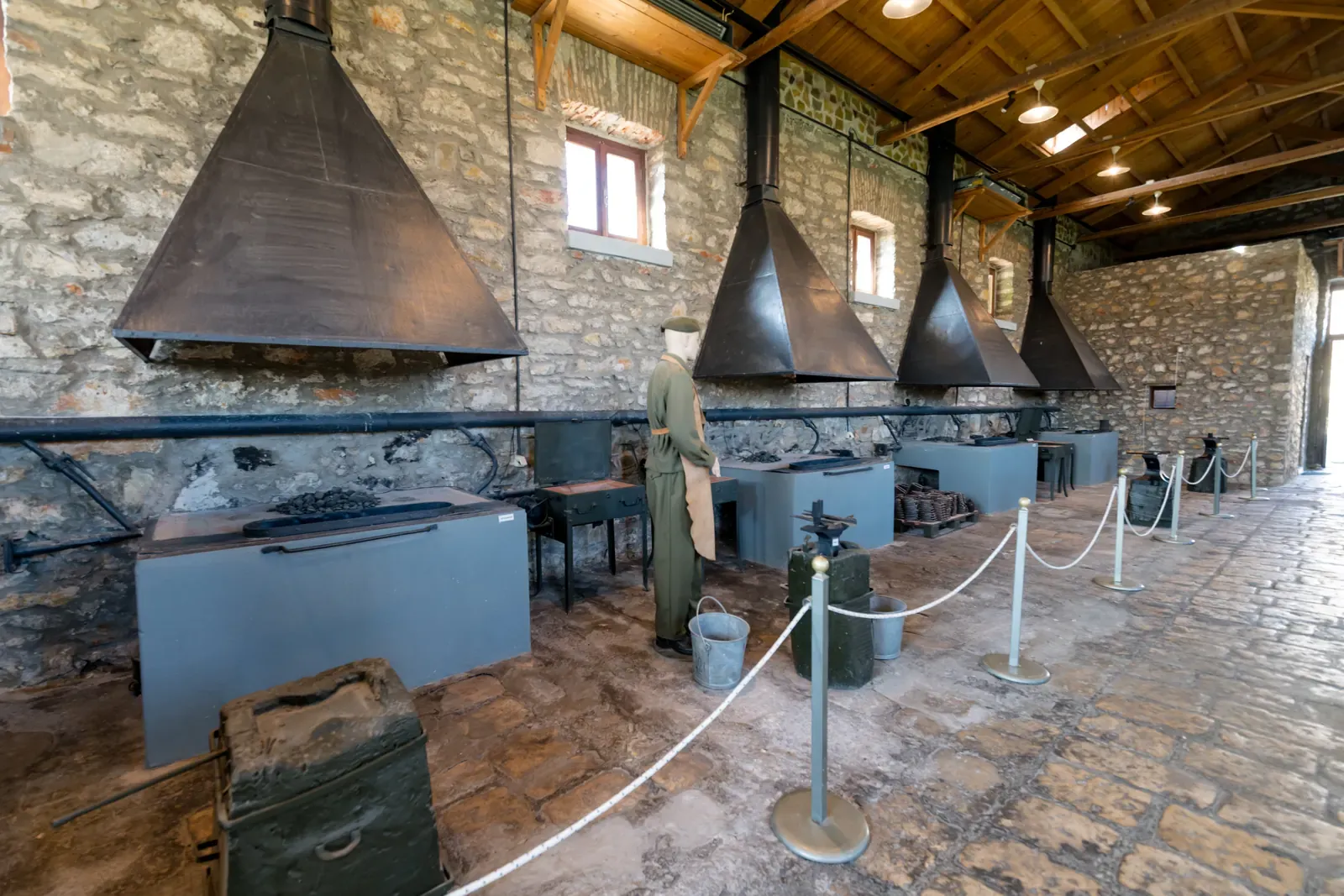
The smithy was organised around the forge. The bellows brought the fire to life, the iron glowed red and went to the anvil, where the hammer gave it shape. Then water, then fire again. Work with rhythm, noise and a great deal of patience.
The farrier
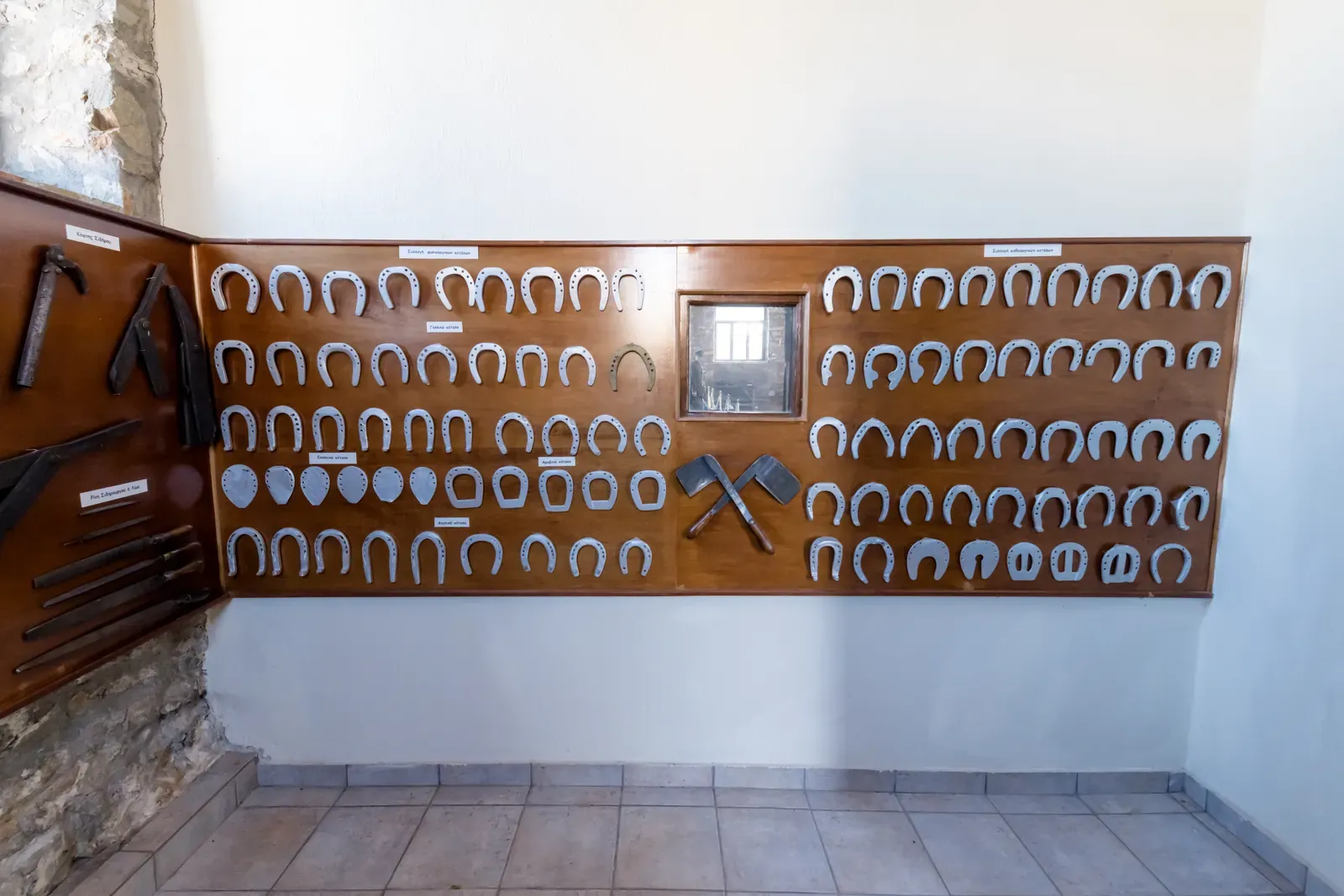
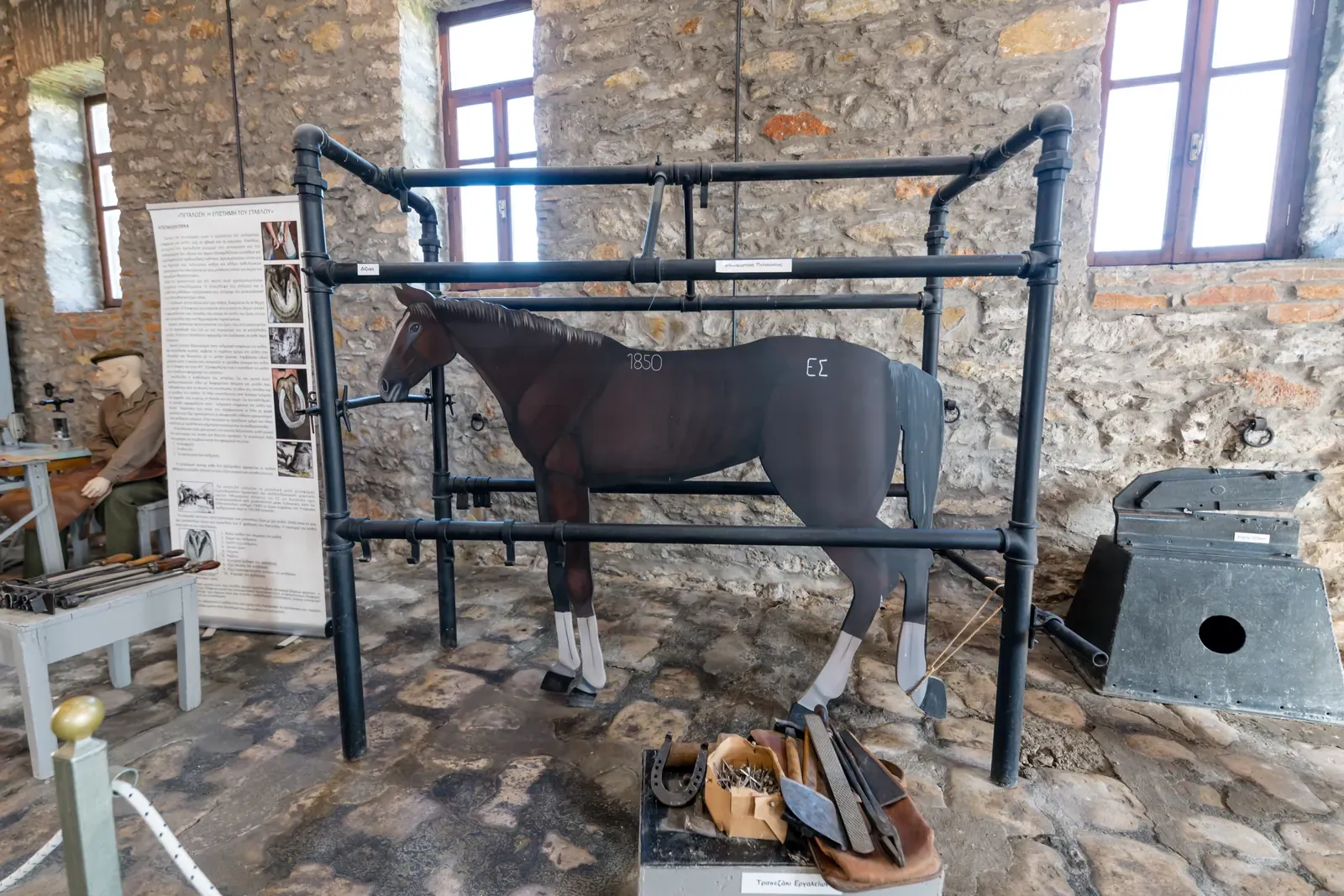
Shoeing was a craft of its own. The farrier had to know iron but also animals: how to lift the leg, how to clean the hoof, how to fit the shoe so that the horse or mule could work without pain. The walls of the old workshops were covered with horseshoes of every size.
A changing craft
As farming was mechanised, the blacksmiths grew fewer. But the craft did not disappear. There are still people who work iron by hand: in workshops, at racecourses, in decorative ironwork. We are looking for them for our series "The Craftsmen".
Know a blacksmith or farrier who still works? Suggest them from the map page.
Photographs