History
The history of Thessaly
Thessaly has one of the longest continuous records of human settlement in Greece. Its fertile plain, crossed by the river Pineios, fed some of the oldest Neolithic villages in Europe, among them Sesklo and Dimini.
It is also a land of myth: Mount Olympus, home of the gods, to the north; Mount Pelion of the Centaurs; Iolcos, where the Argonauts set sail. In antiquity the Thessalian cities were known for their cavalry and for the powerful aristocratic families that ruled them.
Then came the Macedonians, the Romans, Byzantium and almost five centuries of Ottoman rule. In 1881 Thessaly became part of the Greek state, and its plain turned into the country's granary, and the stage of great struggles over the land.
Each region has its own story. Choose where you want to begin.
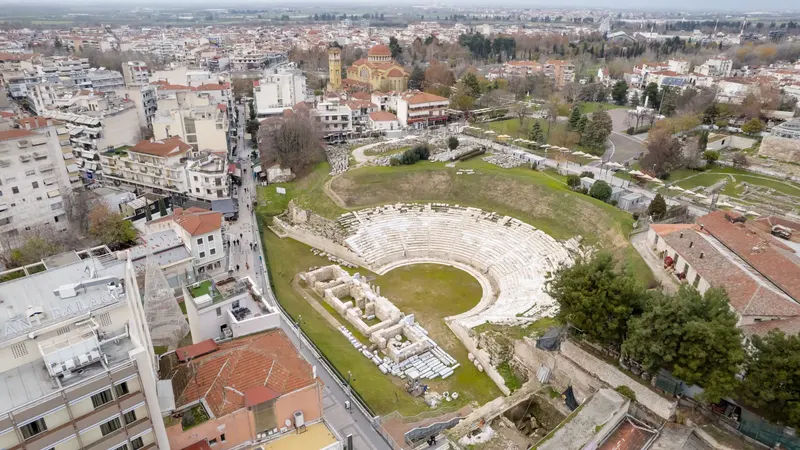
Larissa
The history of Larissa and its region: prehistoric settlements, the Aleuadae, Saint Achillius, Ottoman Yenişehir, 1881, the Kileler uprising and the 1941 earthquake.
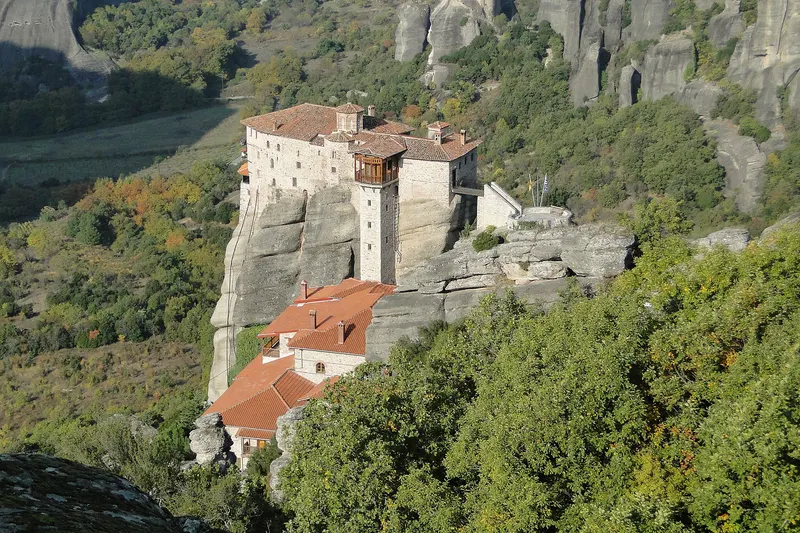
Trikala
The history of Trikala: ancient Trikke of Asclepius, the Fortress, Meteora, the Koursoum Mosque, the old quarter of Varousi and the musician Vassilis Tsitsanis.
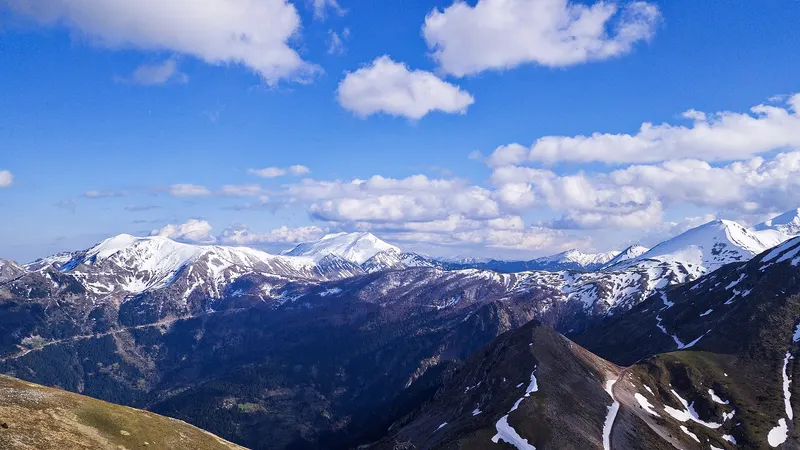
Karditsa
The history of Karditsa and its region: ancient cities of the plain, the Agrafa mountains, the Occupation and the Resistance, Lake Plastiras and the city of bicycles.
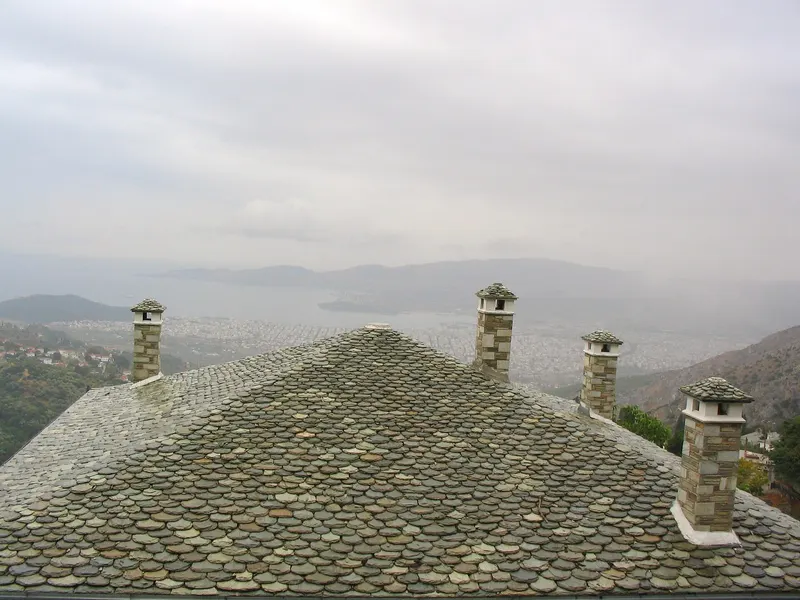
Magnesia
The history of Magnesia: Sesklo and Dimini, Iolcos of the Argonauts, Demetrias, the Centaurs of Pelion, Rigas Feraios, and Volos, the city of the port and industry.
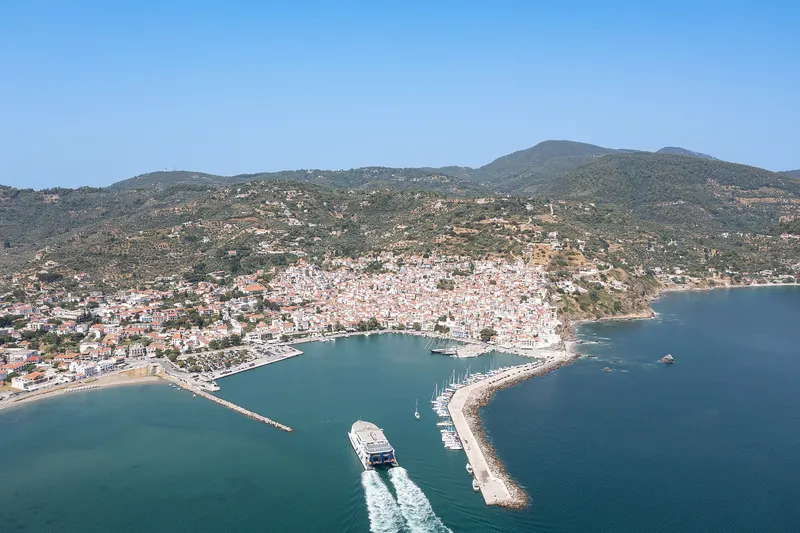
Sporades
The history of Skiathos, Skopelos and Alonissos: ancient Peparethos, castles from the age of pirates, the writer Papadiamantis and the National Marine Park.