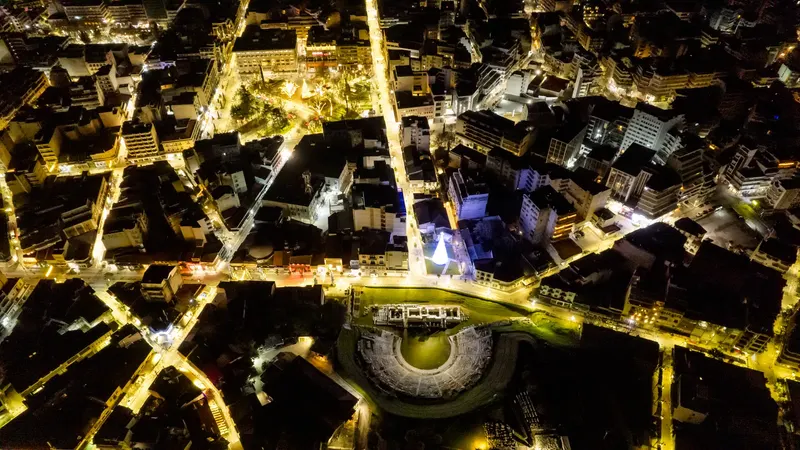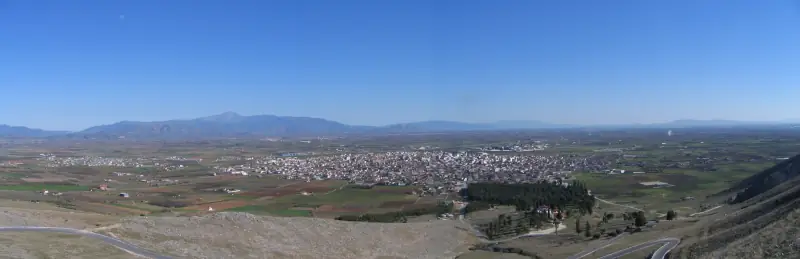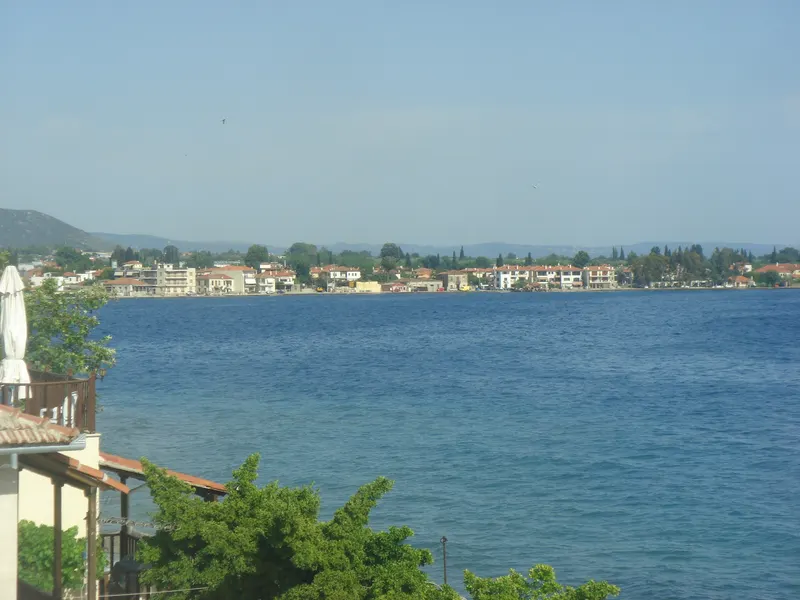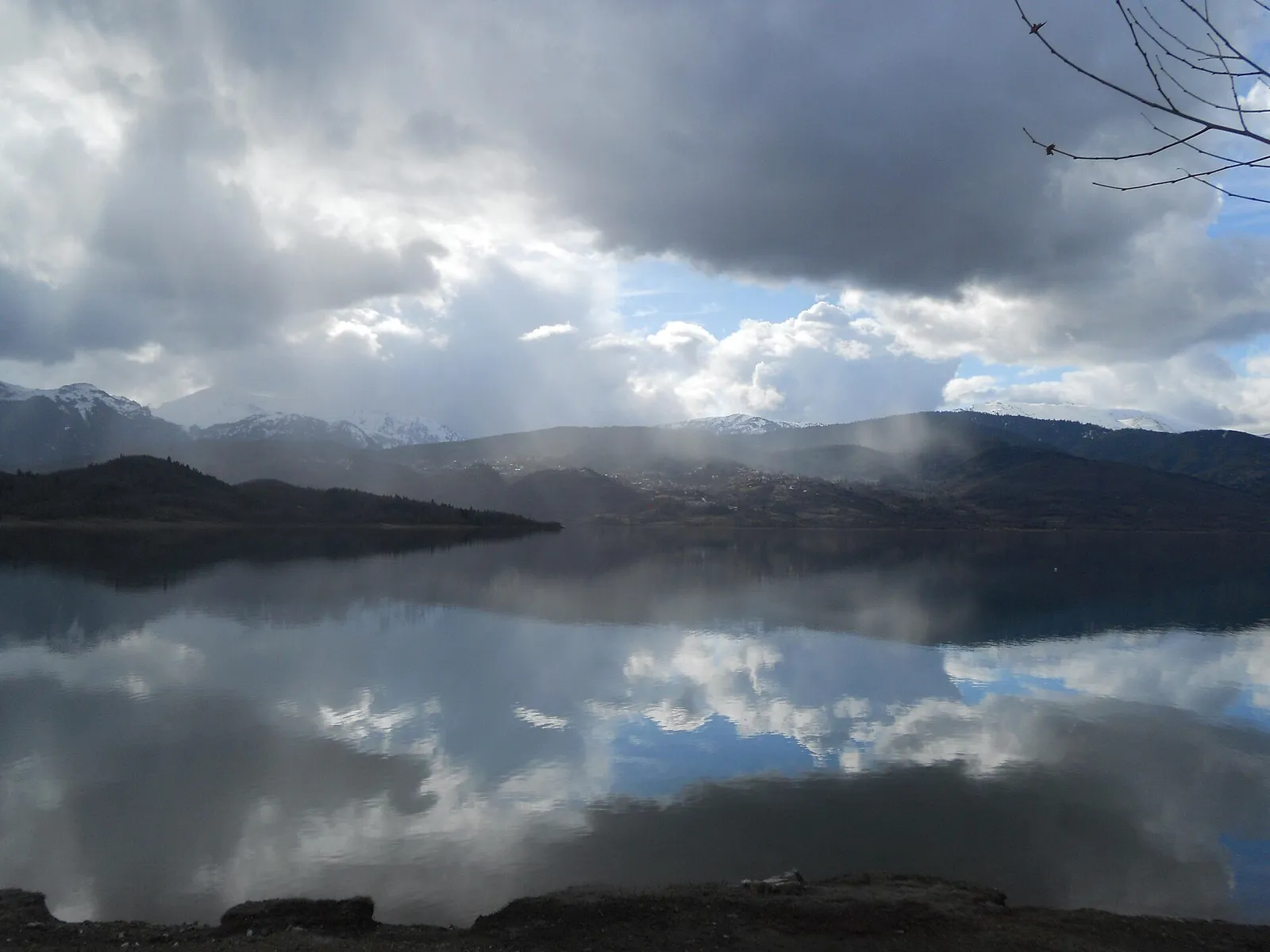
The son of a tailor and a weaver from a village above the plain of Karditsa became prime minister of Greece three times and died without property. Nikolaos Plastiras was born on 4 November 1883, according to Greek sources and the municipality, in Vounesi, today's Morfovouni, and his name is carried today by the lake that spreads below his village.
From Karditsa to the battlefields
His father, Christos, was a tailor and his mother, Styliani Karagiorgou, a weaver. In the war of 1897 the family fled to the mountain village of Pezoula in the Agrafa and then returned to Karditsa, where Nikolaos went to school. In December 1903 he joined the army as a corporal and served in the 5th Infantry Regiment in Trikala.
In the Balkan Wars he fought at Elassona, Giannitsa and Lachanas. There his comrades called him the «Black Rider», the name that stayed with him for good. Then came the Asia Minor campaign and, after the defeat, the movement of 11 September 1922, which he led.
Prime minister three times
Plastiras governed the country for a few months in 1945 and twice more, in 1950 and from 1951 to 1952. He belonged to the Venizelist camp, and his political career, like that of his whole era, included conflicts and coups.
What people in Karditsa remember first, though, is the man. His biographers write that he secretly gave part of his salary to the poor and that he died in Athens, on 26 July 1953, without leaving any property.
The lake he dreamed of
His most visible mark on Thessaly is the lake. Plastiras was the first to envision a dam on the Tavropos. The reservoir that was built later was named in his honour Lake Plastiras. The plain got water and power, and the villages around it now also live from its tourism.
In Morfovouni the «Plastireia», cultural events in his name, have been held for decades, and since 1994 the «N. Plastiras» Centre for Historical Studies has operated there. There is a bust of him in Karditsa, and an army camp in Larissa bears his name.
If you drive up to the lake from Karditsa, Morfovouni is built above the water, on its northern side. A stop in Plastiras's village fits well with a drive around the lake.