At the tip of Pelion, where the road ends, Trikeri has got back one of its most precious pieces. The carved, gilded iconostasis of Holy Trinity church, about 286 years old, has been conserved and restored, and on Sunday 18 October the works were officially handed over, with a Divine Liturgy in the church.
Six years for one iconostasis
Time and the environment had left their marks on the wood and the gold, and the need to save the iconostasis had been known for years. Since 2020 a fundraising committee, set up by Dimitris Karagiannis together with the church council and with the approval of the Metropolis of Dimitrias and Almyros, has been looking for the money. There were failed attempts at funding along the way, but in the end the work was done.
It was carried out by a specialist team of conservators, under the supervision of the relevant archaeological services and following an approved study. The people of Trikeri helped as they could, with donations and by putting up those who worked in the church.
Sunday's liturgy was led by Archimandrite Christoforos, representing Metropolitan Ignatios of Dimitrias, together with the village priest, Fr Konstantinos. For those who wanted to come from the city, a free bus was chartered from Volos.
Why an iconostasis matters in a small village
In a small village, the parish church is often the oldest house of all. A carved iconostasis nearly three centuries old is a kind of village archive in wood: it shows what an 18th-century community found beautiful and what it could make. That is why saving it concerns all of Trikeri, not only those who go to church.
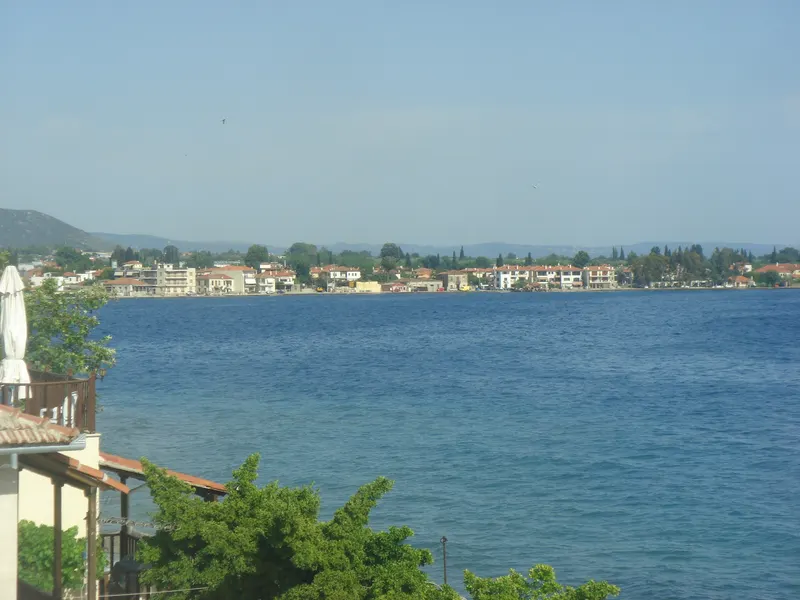
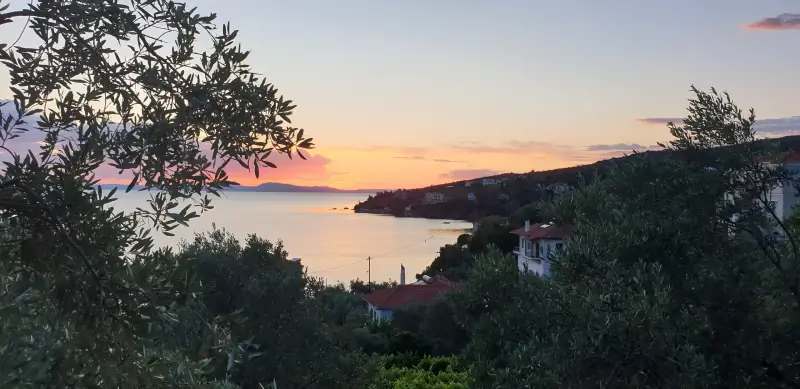
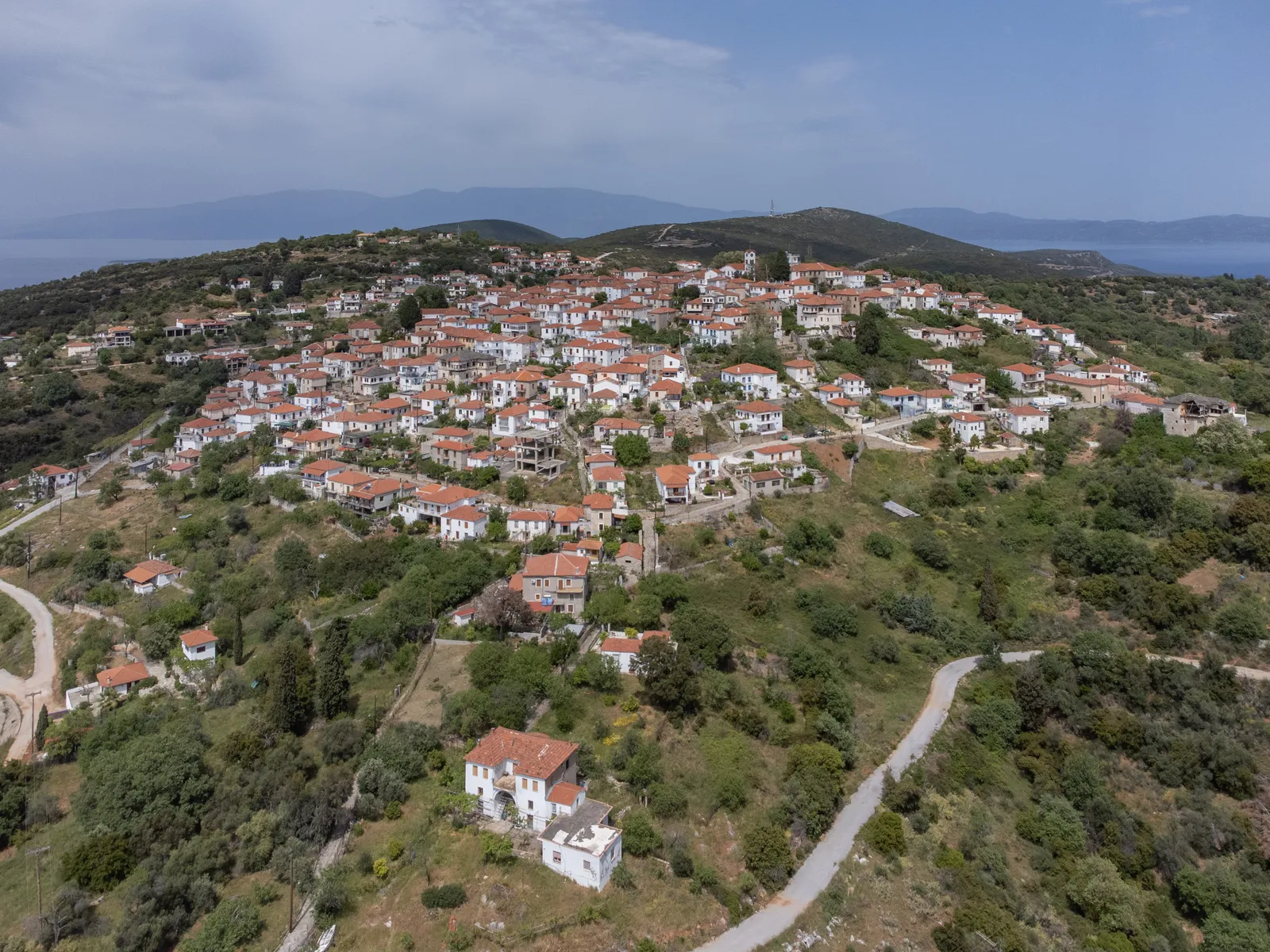
Trikeri is built high above the sea, with the small harbour of Agia Kyriaki below it. From Volos the road runs the length of south Pelion, along the Pagasetic Gulf.
Anyone in the village in the coming weeks can see the iconostasis up close when the church is open. Before you go up, ask in the village about service times.