The history of Magnesia and Volos
The history of Magnesia: Sesklo and Dimini, Iolcos of the Argonauts, Demetrias, the Centaurs of Pelion, Rigas Feraios, and Volos, the city of the port and industry.
Between Mount Pelion and the Pagasetic Gulf, Magnesia is the seaward side of Thessaly. Here you find some of the oldest settlements in Europe, some of the best-known myths of Greece, and a city, Volos, built by its port and its industry.
Prehistory
Sesklo and Dimini
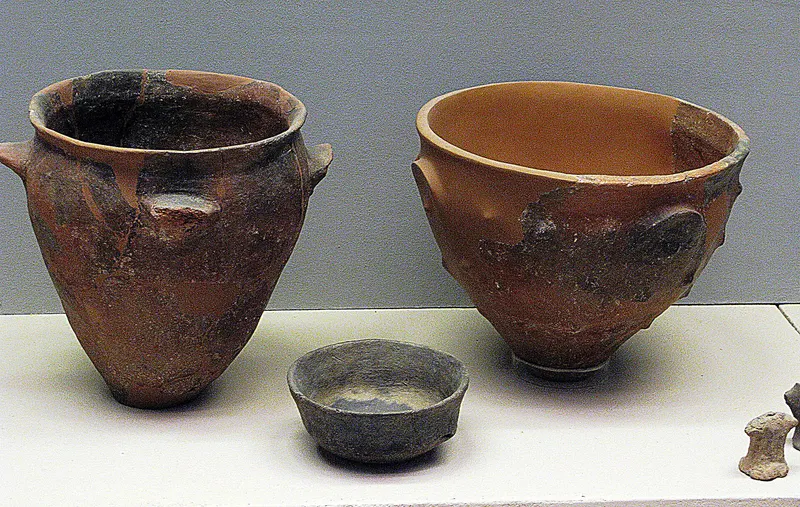
A few kilometres from Volos lie Sesklo and Dimini, two of the most important Neolithic settlements in Europe. Sesklo is considered one of the oldest organised settlements on the continent and gave its name to an entire Neolithic culture.
Myth and antiquity
Argonauts, Centaurs and Demetrias
According to myth, Jason and the Argonauts set sail from Iolcos on the Argo in search of the Golden Fleece. The Centaurs lived on Mount Pelion, and the wise Chiron taught heroes such as Achilles and Jason.
In historical times, Pherae (today's Velestino) became a major power in Thessaly in the 4th century BC. In 294 BC Demetrius Poliorcetes founded Demetrias at the head of the Pagasetic Gulf, one of the most important cities of the Hellenistic age.
Ottoman period
The villages of Pelion
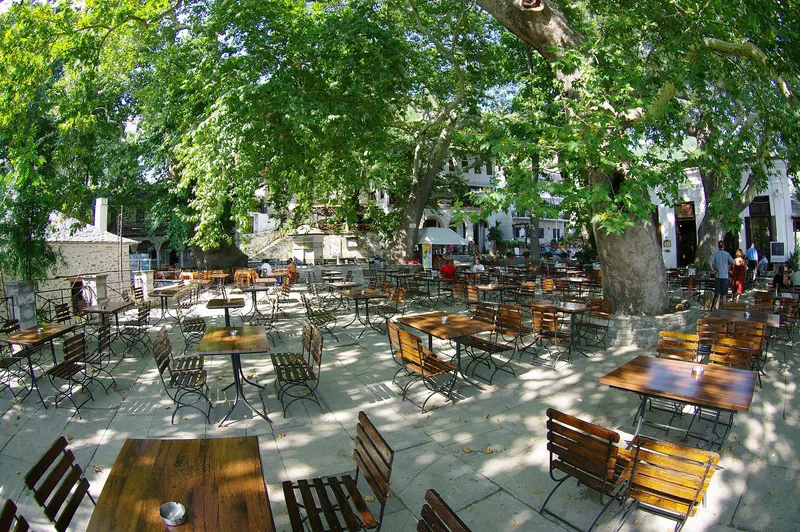
In Ottoman times the villages of Pelion prospered through trade, crafts and shipping. Mansions, churches and schools were built that still stand today.
Rigas Feraios, who dreamed of the freedom of the Balkan peoples, was born at Velestino in 1757.
1881 to today
Volos, the port city
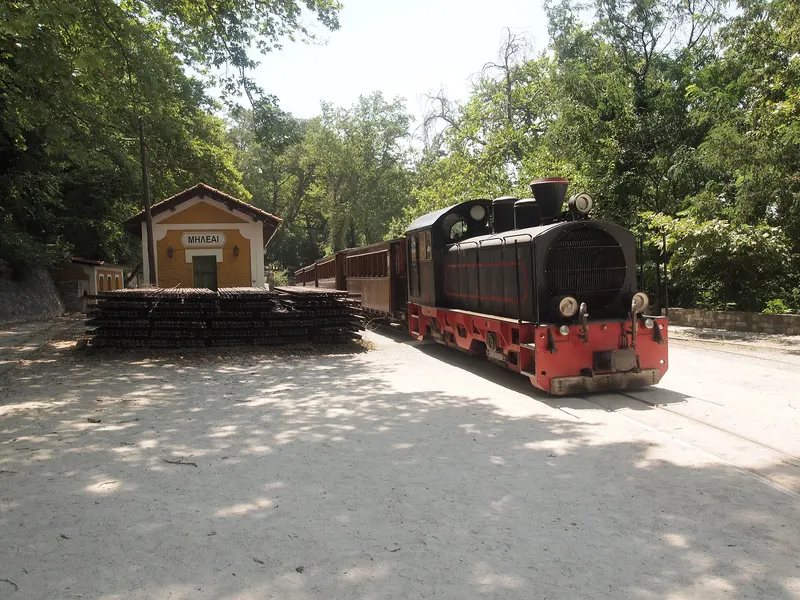
After union with Greece in 1881, Volos grew quickly into a major port and industrial centre. In the early 20th century the Pelion railway, the 'Moutzouris', came into service, designed by the Italian engineer Evaristo de Chirico.
His son was the painter Giorgio de Chirico, born in Volos in 1888. Today the city is the seat of the University of Thessaly and a lively cultural centre.