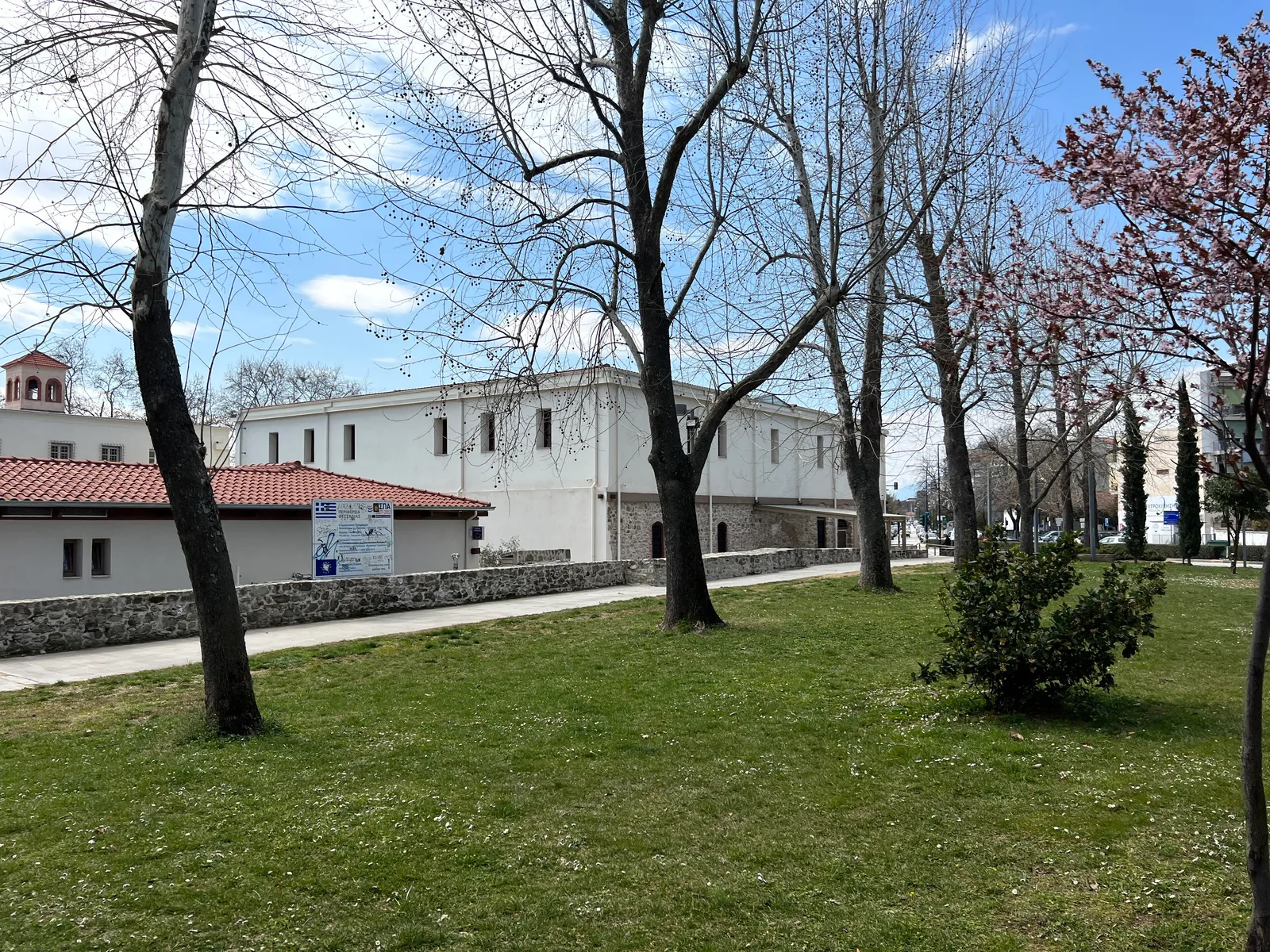
Three days about the people of the Thessalian plain, their language, songs and history. The Union of Karagounides of Trikala Prefecture is holding its 2nd Conference, on «The activity of the Karagounides in space and time», from Friday 13 to Sunday 15 November, at the Municipal Cultural Centre of Trikala and the Tsitsanis Museum. It is co-organised by the Regional Unit of Trikala, with the support of the Municipality of Trikala, and entry is free.
Friday 13/11: the Virvos evening
The opening is dedicated to the «Thessalian Cycle», marking 100 years since the birth of the Trikala lyricist Kostas Virvos. It takes place in the «Dimitris Kavrakos» hall of the Cultural Centre, with arrival at 18:30.
At 19:00 dancers from the Union's associations dance the «Karagouna», with Giorgos Koltsidas on clarinet, Vasilis Mitsiakis on lute and Vasilis Galanis on tambourine. At 19:30 the historian Agathoklis Azelis speaks on the agrarian question in Thessaly from 1881 to 1974, and at 19:50 Maria Virvou, professor at the University of Piraeus and Kostas Virvos's daughter and biographer, on the «Thessalian Cycle». At 20:10 the theatre group of the 3rd Primary School of Trikala «Kostas Virvos» performs «The Bear-Leader's Show». At 20:30 songs of the «Thessalian Cycle» by Virvos and Markopoulos are performed, with Andreas Tsegas on piano and Dimitra Kalliara and Nikos Keramiotis singing.
Saturday and Sunday at the Tsitsanis Museum
On Saturday 14/11 work starts at 09:00 with registration. The papers cover the «Karagouna» dance, Karagouni vocabulary and dialect, Karagouni fairy tales, the abandoned settlements of Trikala through documents of the Dousiko Monastery, the migration of Karagounides to Agrafa and Aspropotamos, and the Lazarus carols of Krinitsa. At midday women of the «Oi Theristades» association sing Karagouni songs, and at 13:30 women of the associations offer Karagouni pies. The afternoon continues from 17:30.
Sunday 15/11 starts at 09:15, with topics such as the cycle of life from birth to death, the struggles of the Karagounides and Megala Kalyvia, and daily life in the Trikala countryside through the newspapers of 1881–1900.
A few words of our own
The Karagouna is not only a dance. It is the costume, the accent, the pies and the memory of a plain that worked on the estates. That is why it fits that the conference opens with the agrarian question and on Sunday reaches the daily life of the villages. To learn who the Karagounides are, read our article (in Greek) on the people of the Thessalian plain and their costume. And before Saturday's papers, see what the museum holds about Vasilis Tsitsanis, the Trikala man who wrote rebetiko.