Section
Places
Towns, villages, rivers and monuments. Thessaly up close and from the air.
PlacesMagnesia
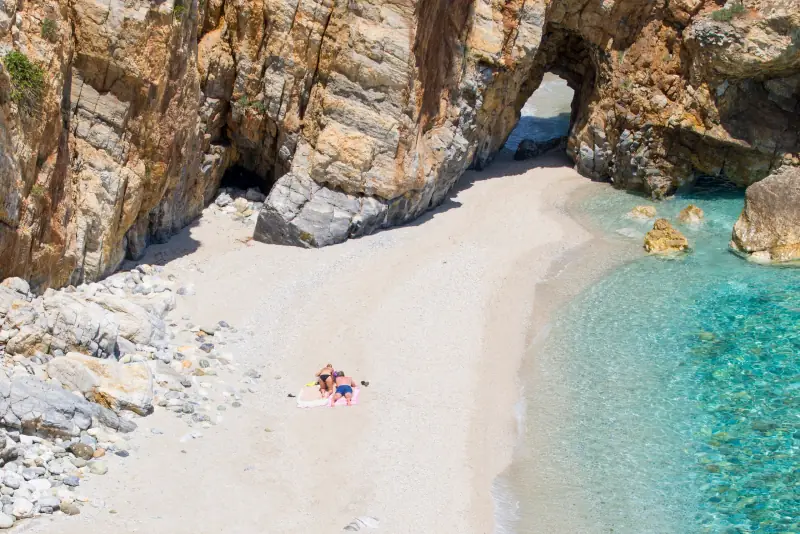
Mylopotamos, the Pelion beach with a stone arch in the middle
Mylopotamos, 6 km from Tsagkarada, is an Aegean beach split in two by a natural stone arch.
PlacesMagnesia
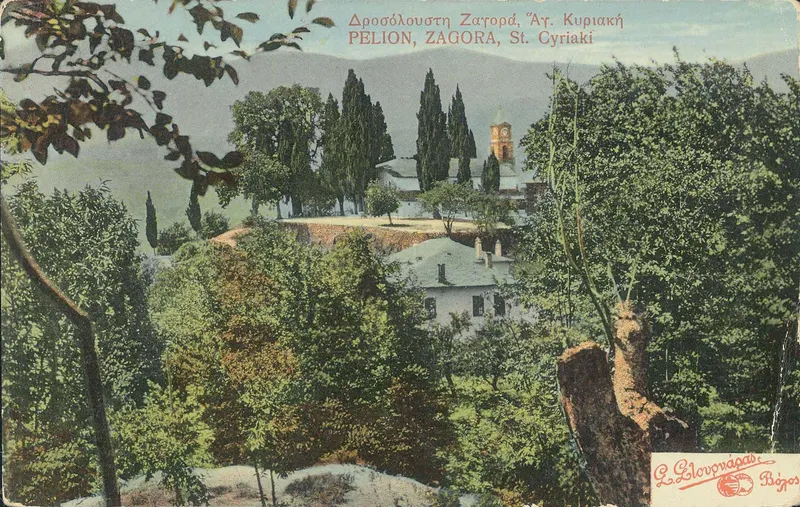
Zagora, the big Pelion village famous for its apples
On north-east Pelion, Zagora lives from its apples, which have Protected Designation of Origin, and keeps a history of trade and learning.
PlacesMagnesia
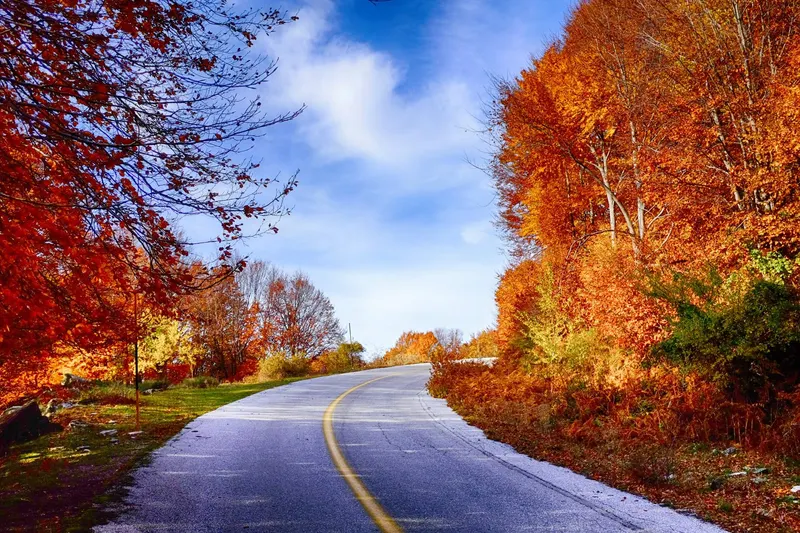
Hania, the Pelion pass between two seas
At Hania, at 1,200 metres, the road crosses from one side of Pelion to the other through beech forest, with views of the Pagasetic Gulf and the Aegean.
PlacesMagnesia
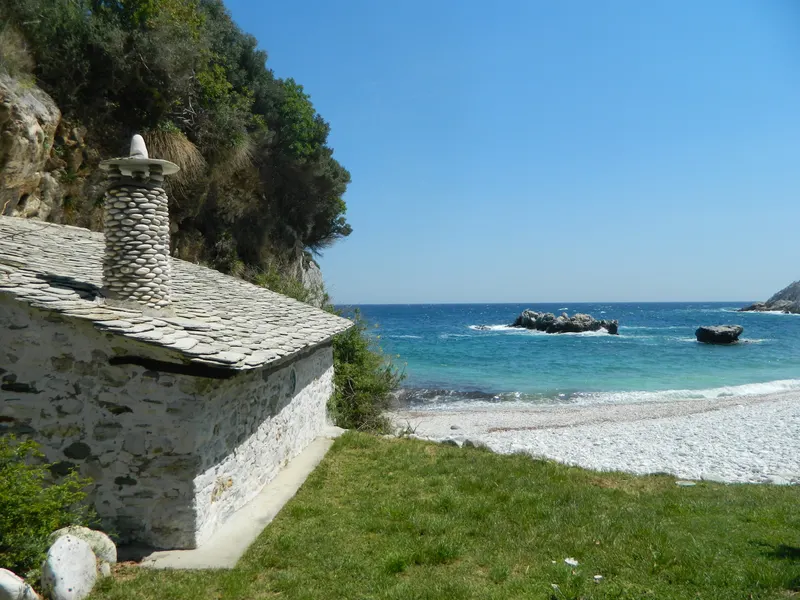
Damouchari, the little Pelion harbour made famous by Mamma Mia
A small pebbly cove with olive trees and ruins on eastern Pelion. Damouchari was a harbour long before it became a Hollywood set.
PlacesMagnesia
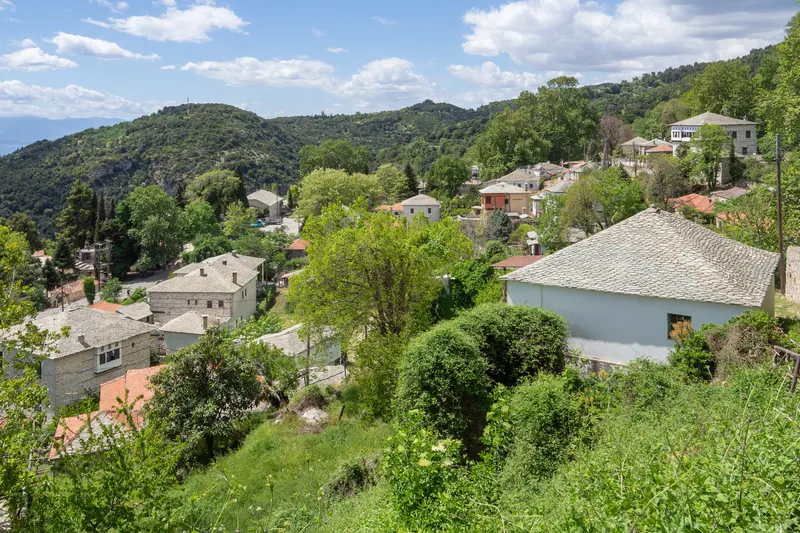
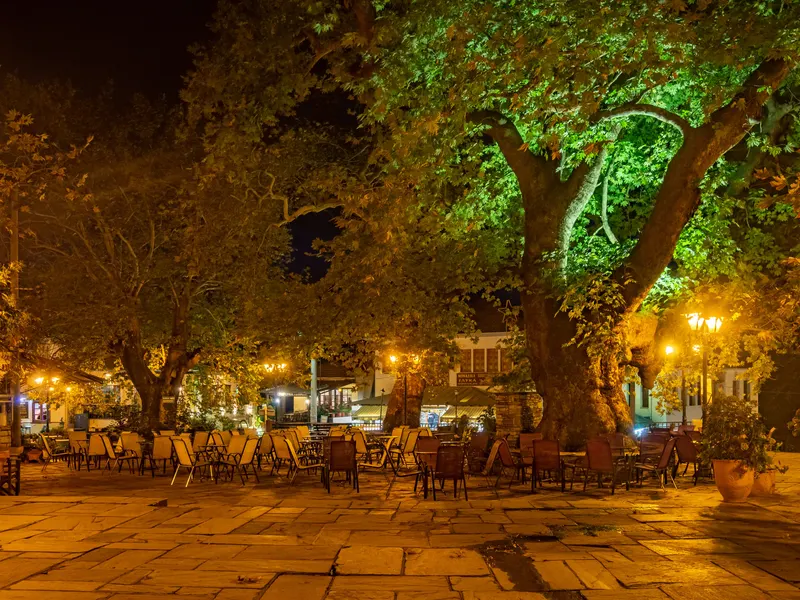
Vyzitsa, one of the best-preserved villages of Pelion
Stone mansions, cobbled paths and a square with plane trees. Vyzitsa, next to Milies, keeps old Pelion almost untouched.
PlacesMagnesia
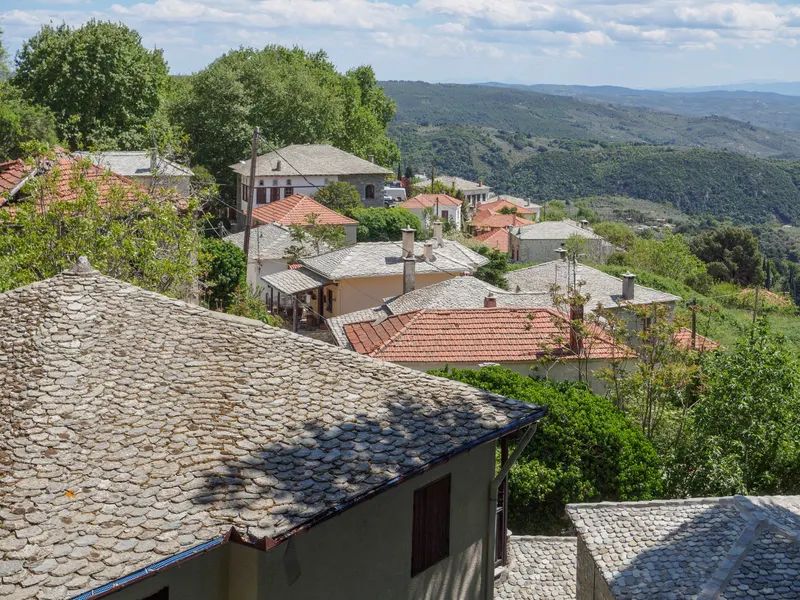
Portaria, the first big village of Pelion above Volos
Portaria is a few minutes from Volos. It has a square with plane trees, a Byzantine church and a view over the whole Pagasetic Gulf.
PlacesMagnesia
Milies, the village of Anthimos Gazis and the Pelion train
The Pelion railway ends at Milies, and a library with two centuries of history begins. A walk through the village.
PlacesMagnesia
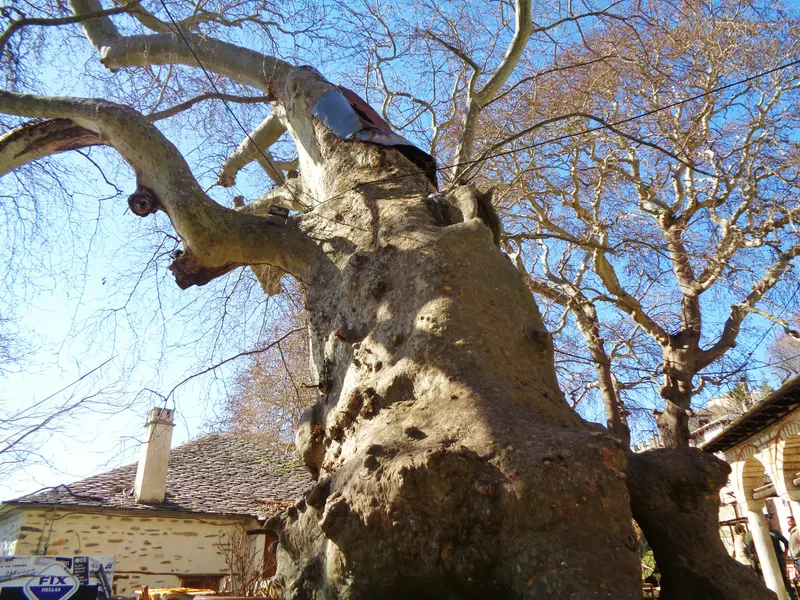
Tsagkarada, four parishes, one plane tree and the road to the sea
On eastern Pelion, Tsagkarada spreads over four parishes among chestnut trees, with an ancient plane tree in its square.
PlacesMagnesia
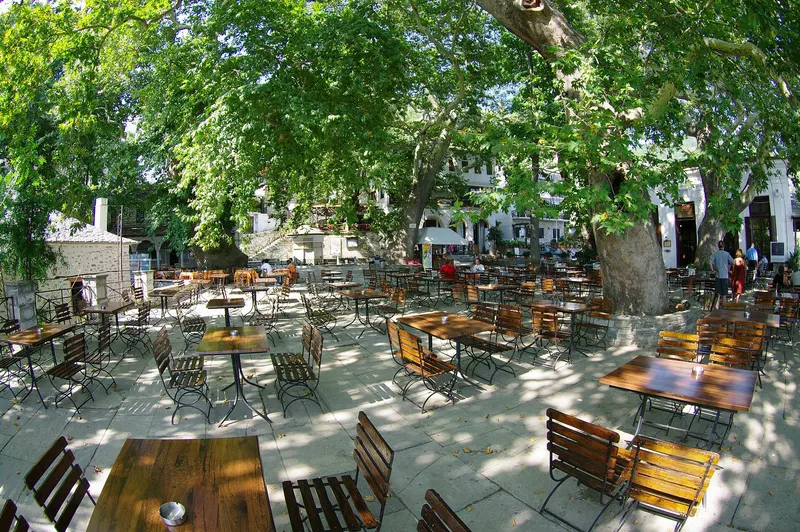
Makrinitsa: the balcony of Mount Pelion
Stone roofs, cobbled paths and a square of plane trees looking over Volos and the Pagasetic Gulf. The place to start discovering the villages of Pelion.
PlacesMagnesia
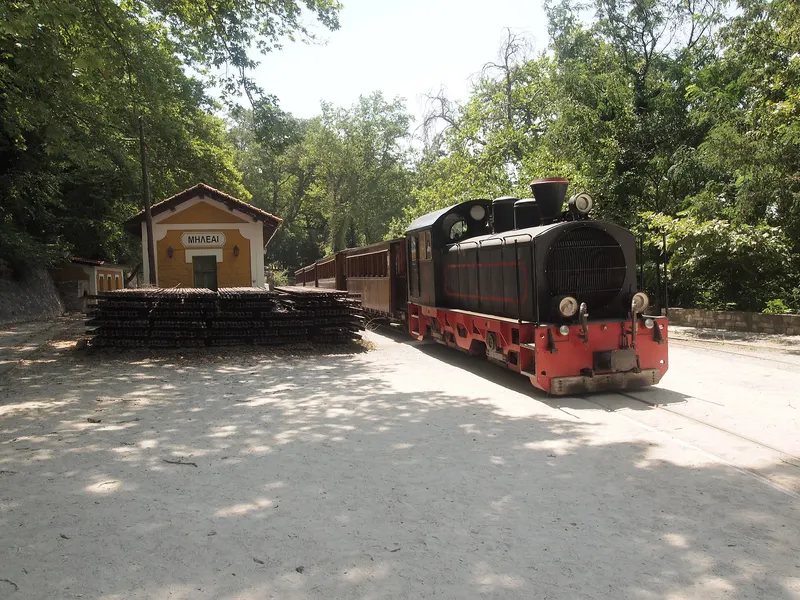
The Pelion railway: the little train called Moutzouris
Tracks just 60 centimetres wide, iron bridges and a route through the plane trees. The story of the railway designed by the father of Giorgio de Chirico.